


By Ace Vincent
| Published
Fashion is often a cultural fingerprint, telling stories of history, climate, and social values unique to a specific place. While global brands have homogenized much of what we wear, some clothing styles remain distinctly local, worn with pride by residents and puzzling to outsiders. These garments aren’t just clothes—they’re cultural statements, practical solutions to regional challenges, or beloved traditions that refuse to fade.
Around the world, you’ll find fascinating clothing items that rarely venture beyond their birthplace. Here is a list of 18 clothing styles that remain quintessentially tied to their home cities or regions.
Gákti
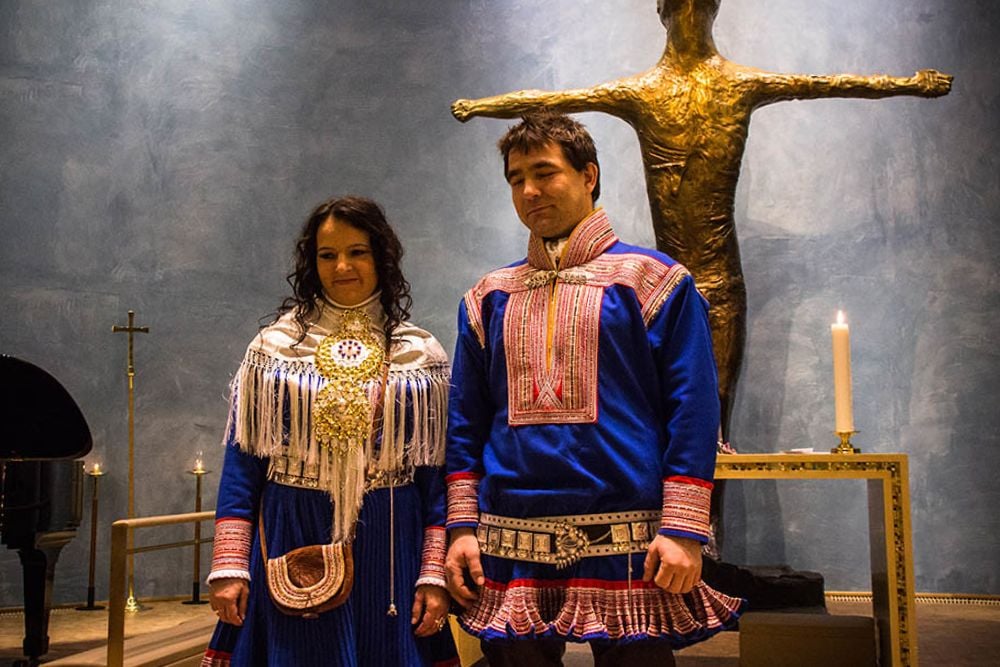
The vibrant traditional dress of the Sámi people in northern Scandinavia stands out with its bold colors and practical design. Gákti garments typically feature bright blues, reds, and yellows with intricate embroidery and pewter embellishments that indicate the wearer’s marital status, family lineage, and regional identity.
These outfits evolved to provide warmth in Arctic conditions while maintaining cultural distinction across Norway, Sweden, Finland, and Russia’s Kola Peninsula.
Gho

Bhutan’s national dress for men might be one of the most strictly maintained clothing traditions in the world. The knee-length robe is hitched up and tied with a belt called a kera, creating a pocket in the front traditionally used for carrying food bowls and small items.
Government employees, school children, and citizens entering official buildings must wear this garment by law, making it a living symbol of Bhutanese identity rather than a costume.
Like Go2Tutors’s content? Follow us on MSN.
Liverpool Scally Style

This distinctive look from Liverpool, England features tracksuit bottoms tucked into socks, designer sportswear (particularly brands like North Face and Berghaus), and closely cropped hair. The style emerged in the 1980s in working-class neighborhoods and has persisted despite changing fashion trends elsewhere.
Local young men sport this look with particular pride during football matches and nights out, creating an instantly recognizable visual signature of Liverpudlian street culture.
Gaucho Attire

The South American cowboys of Argentina, Uruguay, and southern Brazil wear clothing perfectly adapted to life on horseback in the pampas. The bombachas (loose-fitting trousers), ponchos, and wide-brimmed hats aren’t just functional—they’ve become powerful symbols of rural heritage.
What makes gaucho attire unique is the chiripa, a piece wrapped around the waist like a diaper, originally designed to protect riders from thorny vegetation during long journeys across the grasslands.
New Orleans Second Line Suits

The vibrant, extravagantly designed suits worn during New Orleans’ ‘second line’ parades blend West African ceremonial wear with European tailoring traditions. Social Aid and Pleasure Clubs spend months designing these elaborate outfits featuring bold colors, feathers, and intricate beadwork that can weigh over 100 pounds.
Each club develops signature colors and design elements, transforming members into walking works of art that celebrate the city’s unique cultural fusion.
Like Go2Tutors’s content? Follow us on MSN.
Pearly Kings and Queens

The bedazzled outfits of London’s Pearly Kings and Queens feature suits and dresses covered in thousands of mother-of-pearl buttons arranged in elaborate patterns. This tradition began with Henry Croft, a Victorian street sweeper who collected discarded buttons to decorate his outfit and draw attention to charitable causes.
Today’s ‘pearlies’ continue this philanthropic tradition, with each family maintaining their distinctive patterns representing different London boroughs.
Harajuku Fashion
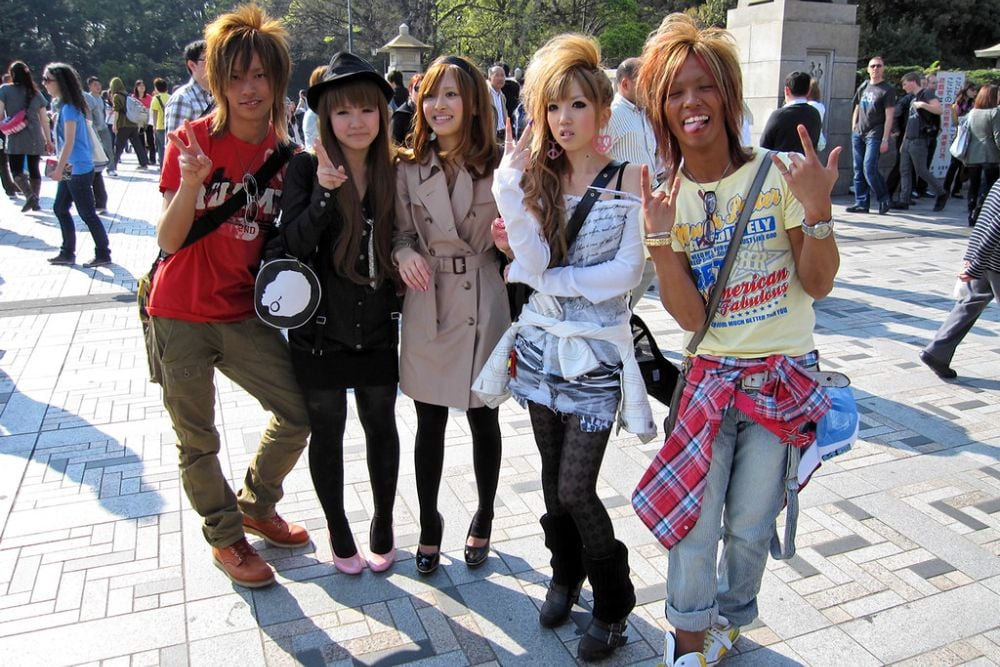
Tokyo’s Harajuku district birthed not just one style but an entire ecosystem of experimental fashion subcultures. Styles like Lolita (Victorian-inspired doll-like dresses), Visual Kei (punk-meets-glam rock), and Decora (maximalist accessorizing) flourish in this creative neighborhood.
Unlike many regional styles born from practical needs, Harajuku fashion explicitly aims to push boundaries and create walking art pieces that challenge mainstream Japanese conformity.
Herero Victorian Dress

The women of the Herero people in Namibia wear distinctive floor-length Victorian-style dresses with multiple petticoats and horn-shaped headwear that symbolizes cattle, traditionally a sign of wealth. This style emerged as an act of cultural resilience after German colonizers forced Western dress upon them in the early 1900s.
The Herero transformed the colonizers’ clothing into something uniquely their own, turning oppression into a statement of cultural pride that continues today.
Like Go2Tutors’s content? Follow us on MSN.
Seattle Normcore
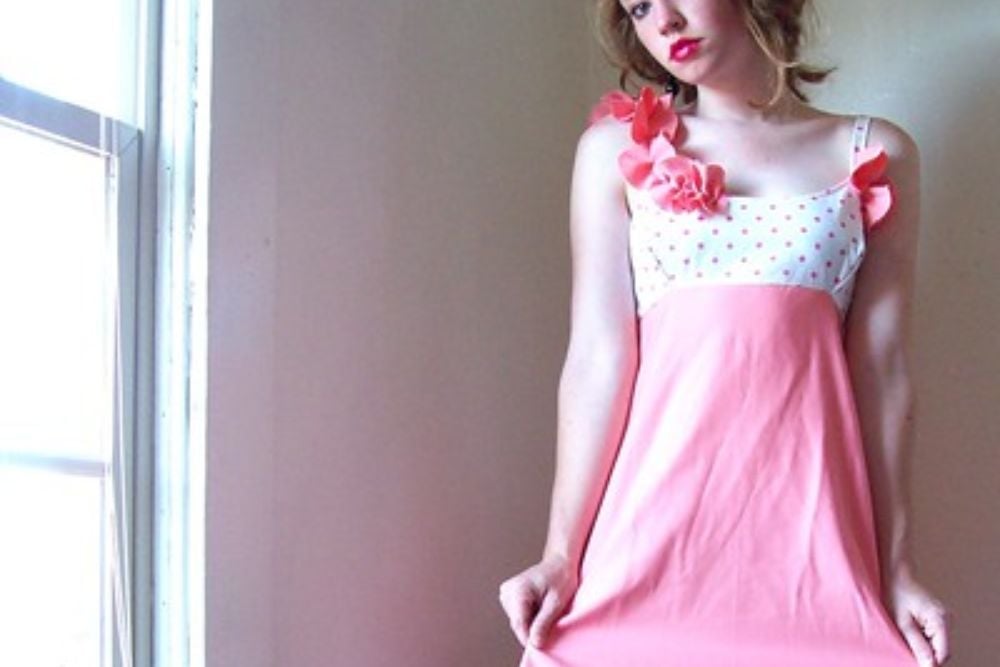
The intentionally understated, practical style of Seattle residents features performance fleece, waterproof shells, and sturdy boots ready for sudden rain. Tech workers and outdoor enthusiasts alike embrace this functional uniform that prioritizes comfort over flash.
The look reflects the city’s values of environmental consciousness and understated wealth, creating an anti-fashion statement that has become so distinctive it’s immediately recognizable as ‘Seattle style.’
Tiroler Tracht
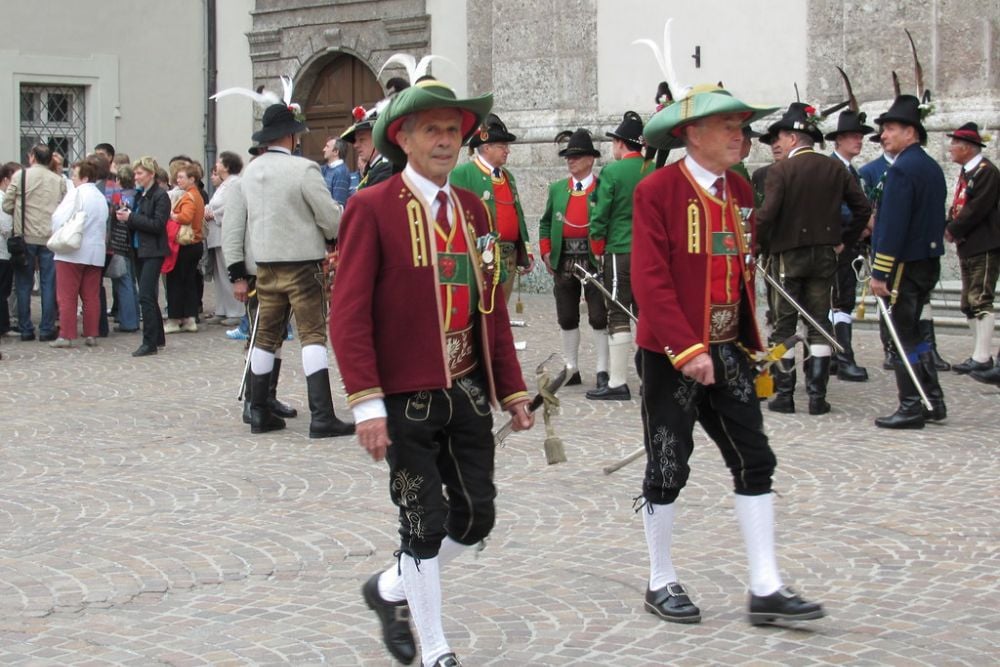
The Alpine region of Tyrol spanning western Austria and northern Italy maintains elaborate traditional clothing worn for festivals and increasingly in everyday life. Men’s lederhosen (leather shorts) and women’s dirndls (fitted bodices with full skirts) vary significantly between valleys, with subtle differences in embroidery patterns, buttons, and accessories indicating exactly which village or family someone comes from.
Far from being merely historical costumes, these garments have experienced a renaissance among younger generations proud of their mountain heritage.
Zoot Suits

Though briefly popular across America, the exaggerated silhouettes of zoot suits became particularly associated with Mexican-American pachucos in 1940s Los Angeles. The style featured high-waisted, wide-legged trousers and long coats with padded shoulders, defying wartime fabric rationing regulations.
The distinctive look became politically charged during the 1943 Zoot Suit Riots when servicemen attacked Mexican-American youth, transforming the garments into enduring symbols of resistance to discrimination.
Like Go2Tutors’s content? Follow us on MSN.
Sapeurs

The impeccably dressed men of Brazzaville (Republic of Congo) and Kinshasa (Democratic Republic of Congo) follow La Sape, a movement emphasizing immaculate tailoring and bold color combinations despite surrounding economic hardship.
Sapeurs invest significant resources in designer suits, two-tone shoes, and precise accessories as a form of artistic expression. The contrast between challenging living conditions and their elegant attire makes this style particularly powerful as both a social commentary and a celebration of personal dignity.
Bavarian Lederhosen
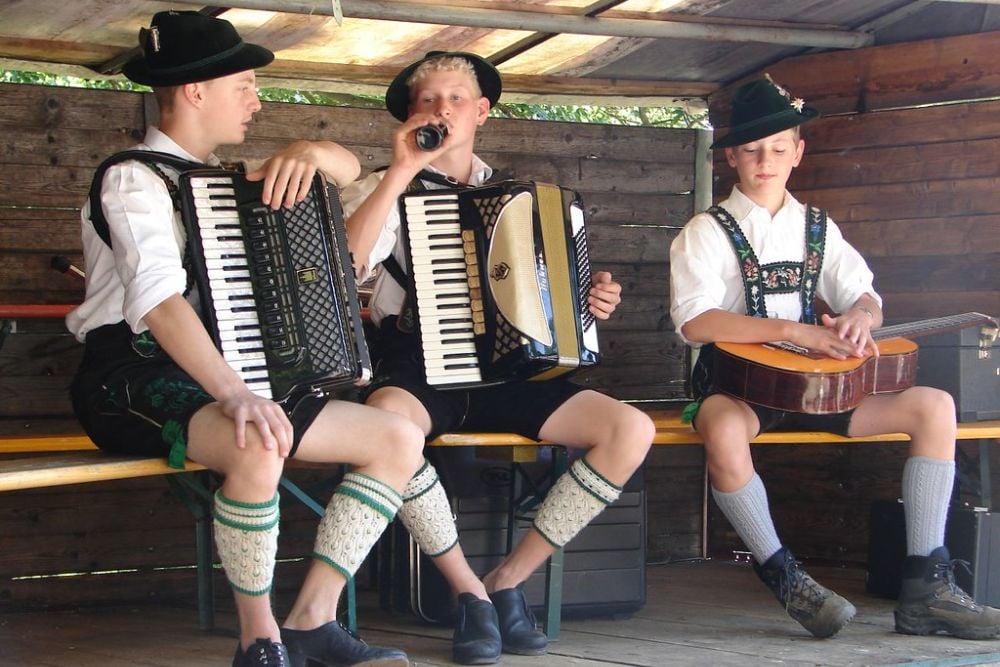
While similar to Tyrolean styles, Bavaria’s distinctive leather shorts have become a global symbol of German heritage thanks to Oktoberfest celebrations. The traditional garments are made from deer or goat leather designed to last for generations, with embroidery patterns specific to different regions within Bavaria.
Modern wearers often personalize their lederhosen with pins representing their hometown, creating walking maps of their personal geography.
Kalasha Women’s Headdresses
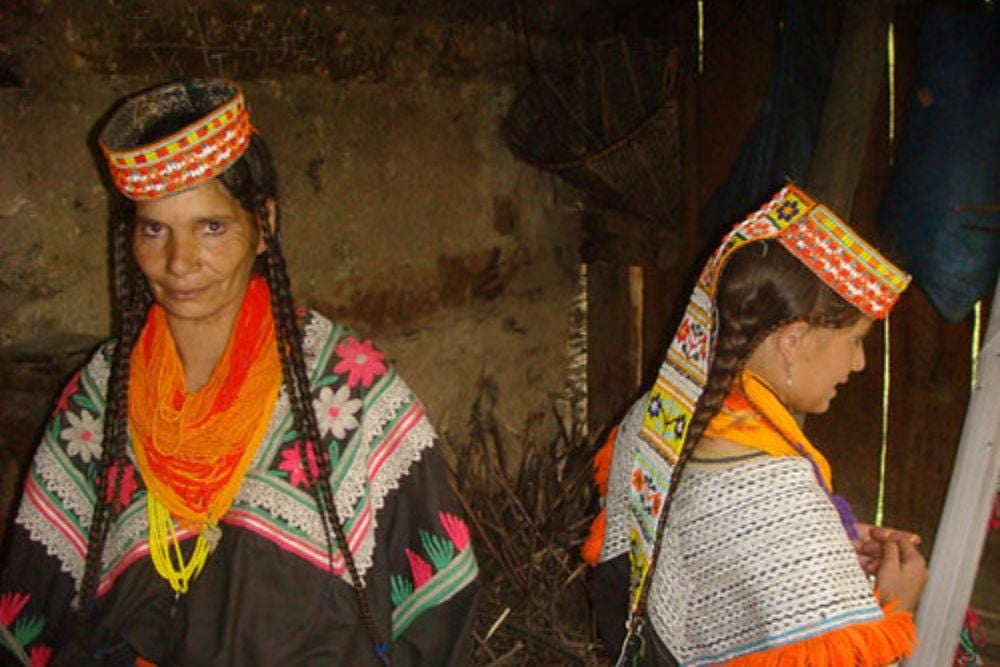
The Kalasha minority in Pakistan’s Hindu Kush mountains maintains one of the world’s most distinctive traditional garments—elaborate headdresses called kupas adorned with cowrie shells, beads, and coins. Women begin collecting ornaments for their headdresses in childhood, continuously adding to them throughout their lives.
The resulting creations not only display the wearer’s artistic skill but serve as personal wealth repositories and markers of important life events.
Like Go2Tutors’s content? Follow us on MSN.
Inuit Amauti
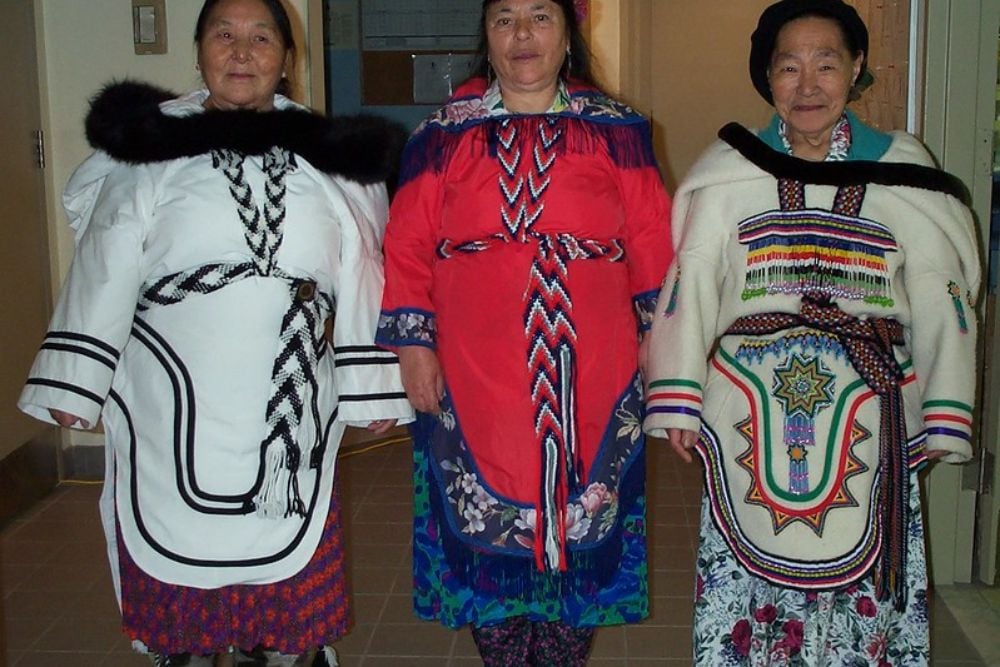
The ingeniously designed women’s parka of Arctic Indigenous peoples features an enlarged hood and pouch designed specifically for carrying infants against the mother’s back. This practical design allows women to move the child from back to front for nursing without exposing either to subzero temperatures.
The garment represents generations of design refinement for extreme conditions, with regional variations in decoration indicating cultural identity across vast Arctic territories.
Scottish Highland Dress

The kilt and its accompanying accessories represent one of the most codified regional clothing systems in the world. Tartan patterns indicate clan affiliations, while specific accessories like the sporran (pouch), sgian-dubh (knife), and different styles of jackets signal the formality of the occasion.
Though widely recognized globally, authentic Highland dress follows strict traditional guidelines and carries deep cultural significance within Scotland.
Bohemian Kroje

The Czech Republic’s folk costumes vary dramatically between regions, with each maintaining distinctive embroidery patterns, color combinations, and accessory styles that identify the wearer’s precise origin. Villages often maintained their own specific sleeve designs, apron patterns, or headdress styles.
Young Czech designers now incorporate elements of traditional kroje into contemporary fashion, keeping these regional identifiers alive in modern contexts.
Like Go2Tutors’s content? Follow us on MSN.
Texas Cowboy Style

No American regional style is more iconic than the practical ensemble developed by Texas cattle workers: cowboy boots with underslung heels designed to catch stirrups, wide-brimmed hats protecting from sun and rain, and durable denim. While Western wear has spread globally, authentic Texas style maintains specific proportions and details that mark the wearer as a genuine Texan rather than someone wearing a costume.
The shape of the hat crown alone can indicate which part of the state someone calls home.
Enduring Cultural Threads

These distinctive regional garments demonstrate how clothing transcends mere function to become powerful expressions of identity, history, and belonging. Despite globalization and fast fashion, these styles persist because they connect wearers to their roots in ways mass-produced clothing cannot.
They remind us that what we wear can be a profound statement about who we are and where we come from—something worth preserving in an increasingly homogenized world.
More from Go2Tutors!

Like Go2Tutors’s content? Follow us on MSN.
link