


By Ace Vincent
| Published
Dance has always been a powerful medium of expression, transcending language barriers and uniting people across cultural divides. Throughout history, certain dance moves and styles have broken out of their original contexts to become defining elements of their eras, influencing fashion, language, music videos, and even political movements. International Dance Day, celebrated annually on April 29th, offers the perfect opportunity to recognize these movement innovations that rippled far beyond dance floors.
Here is a list of 12 dance crazes that didn’t just entertain us, but fundamentally shifted pop culture in ways that continue to resonate today.
The Moonwalk

Michael Jackson’s backward glide across the stage during the Motown television special transformed a relatively obscure dance move into a global phenomenon overnight. Though Jackson didn’t invent the technique—similar moves existed in pantomime and among street dancers like Jeffrey Daniel, who taught it to Jackson—his performance during ‘Billie Jean’ elevated it to iconic status.
The Moonwalk became so synonymous with pop culture excellence that it’s now universally recognized as a symbol of coolness across generations and cultures.
Voguing
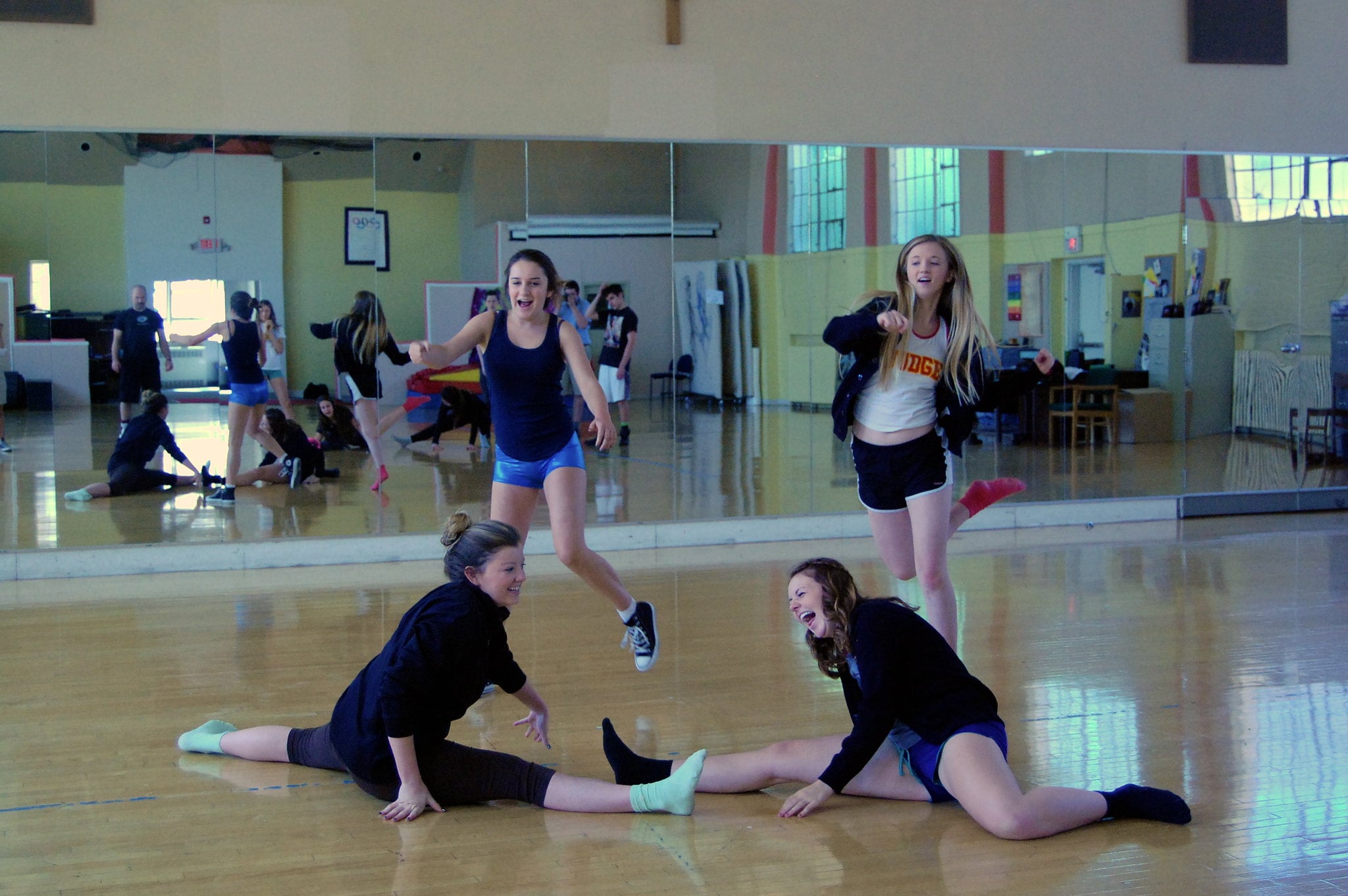
Born in Harlem’s ballroom scene among Black and Latino LGBTQ+ communities, voguing features angular, model-like poses combined with fluid movements inspired by Egyptian hieroglyphs and haute couture magazine poses. Madonna’s hit ‘Vogue’ thrust this underground dance style into mainstream consciousness, though many critics noted the complex politics of this cultural borrowing.
Regardless, voguing introduced millions to aspects of queer culture decades before mainstream acceptance, with its influence still evident in contemporary choreography and fashion photography.
Like Go2Tutors’s content? Follow us on MSN.
The Robot

The mechanical, precision-based movements of the Robot emerged in the late but reached peak popularity in the thanks to performers like Michael Jackson with the Jackson and James Brown. This dance style perfectly captured society’s fascination with technology and automation during the Space Age, translating anxieties about mechanization into a playful physical form.
The Robot’s influence extends far beyond dance, establishing a visual vocabulary that shows up in everything from comedy skits to modern electronic music performances.
Breakdancing
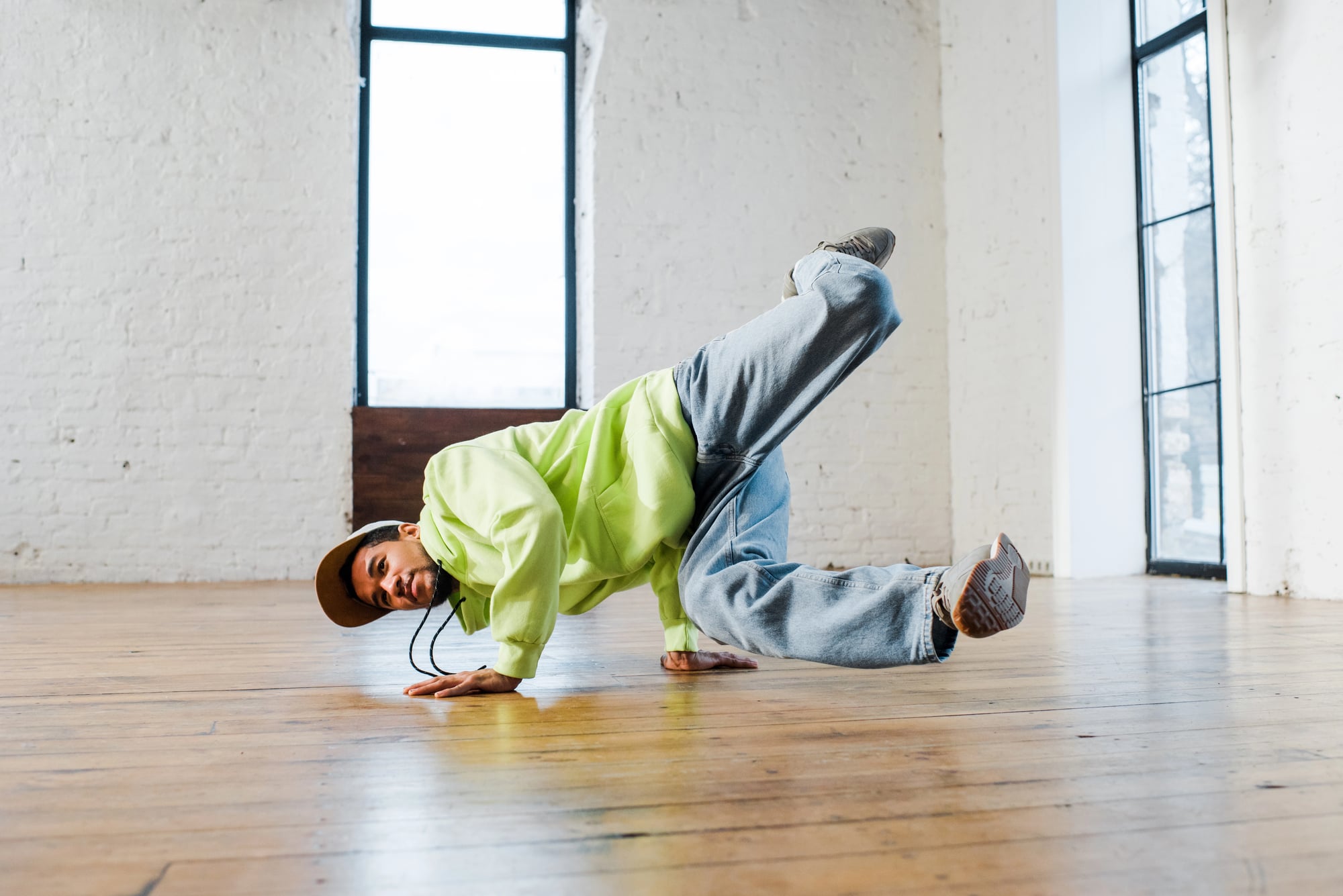
Originating in the South Bronx as part of the emerging hip-hop culture, breakdancing—with its acrobatic power moves, freezes, and footwork—quickly spread worldwide through films like ‘Flashdance’ and ‘Breakin.’ Far more than entertainment, breaking created economic opportunities for inner-city youth and established a non-violent form of competition that replaced gang rivalries in many communities.
The dance style’s cultural impact has been so profound that breaking will make its Olympic debut at the Paris Games, validating it as both an athletic discipline and an art form.
The Charleston
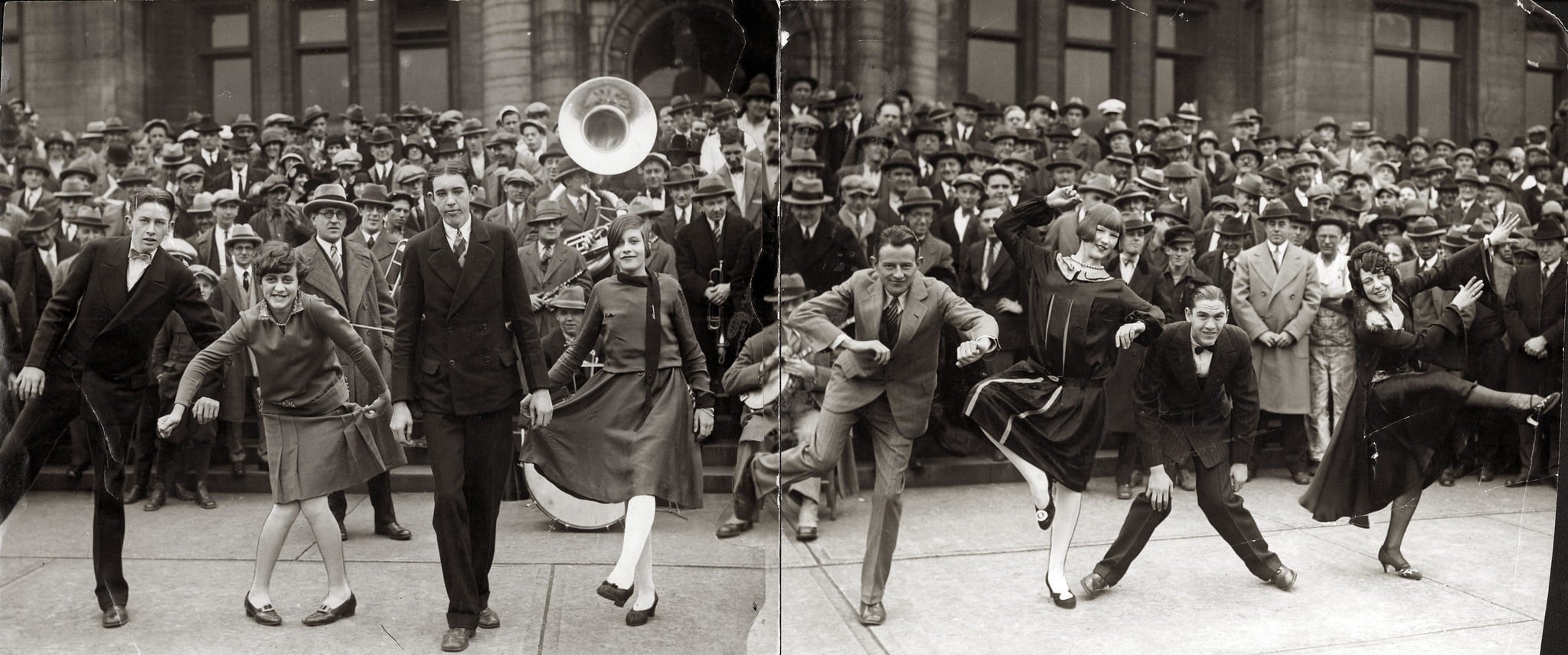
The Charleston exploded into American consciousness, becoming the defining dance of the Roaring Twenties with its energetic kicks and swiveling arms. This dance represented the first major break from Victorian-era restraint, with women in particular using it to express newfound freedom while wearing revealing flapper dresses.
The Charleston wasn’t just a dance but a declaration of independence for the younger generation, helping establish the concept of a generation gap that would continue throughout twentieth-century pop culture.
Like Go2Tutors’s content? Follow us on MSN.
Gangnam Style

When South Korean artist Psy released ‘Gangnam Style,’ its signature horse-riding dance move created an unprecedented global sensation that broke YouTube’s view counter. The ridiculous simplicity of the move—alternating weight on each foot while crossing wrists—made it accessible to everyone from grandparents to world leaders.
This dance craze marked a pivotal moment in the globalization of pop culture, proving that the Internet had created truly international entertainment phenomena and helping pave the way for the broader K-pop explosion in Western markets.
Twerking
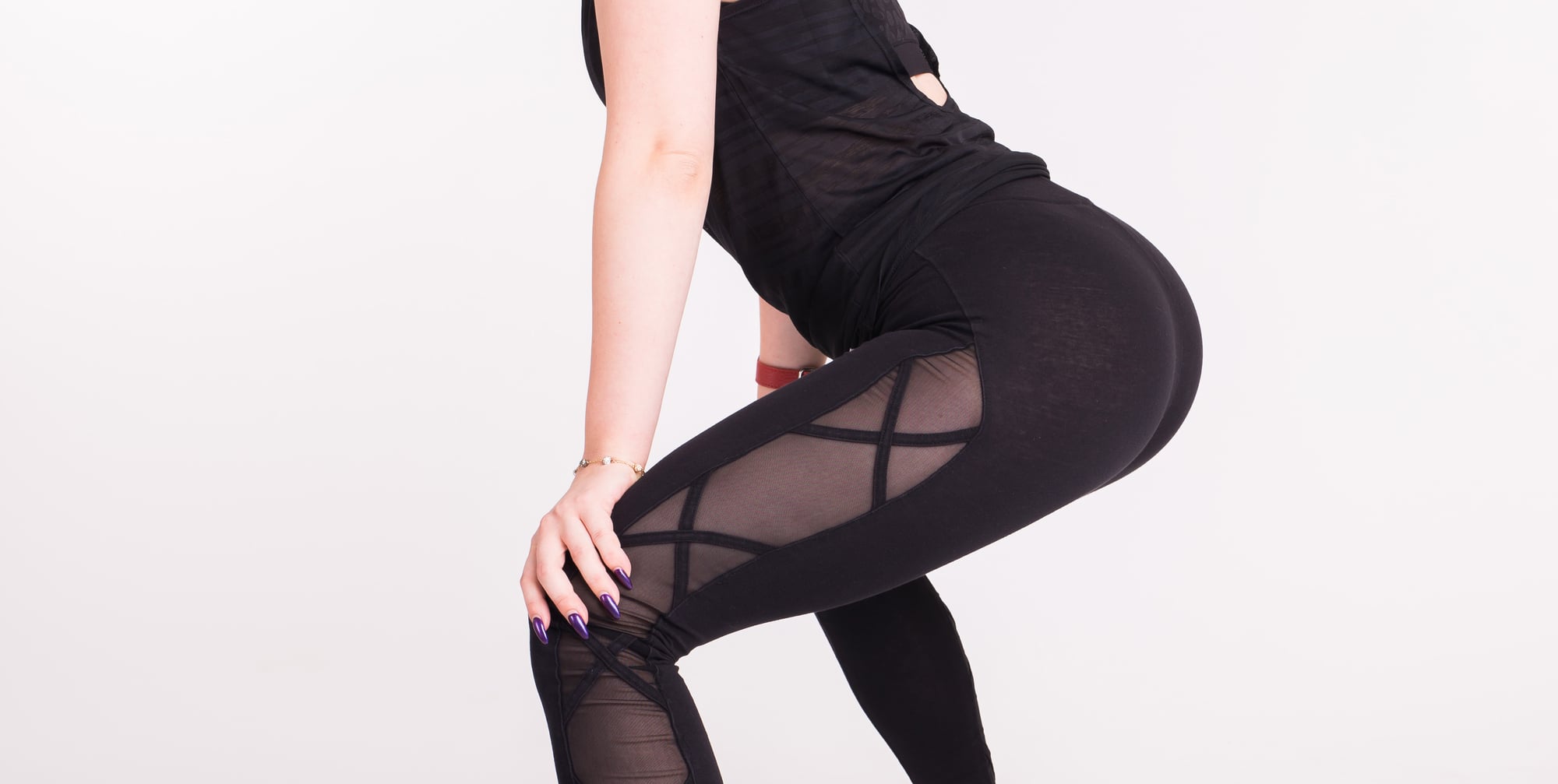
Though the media treated twerking as a new phenomenon when Miley Cyrus performed it at the VMAs, this dance style had already existed for decades in Southern hip-hop culture, with roots tracing back to West African dances. The isolated bouncing hip movements created cultural controversy while sparking important conversations about cultural appropriation, body autonomy, and the hypersexualization of Black dance forms.
Twerking’s journey from regional dance style to global phenomenon illustrates how social media has accelerated the spread and transformation of cultural expressions.
The Macarena
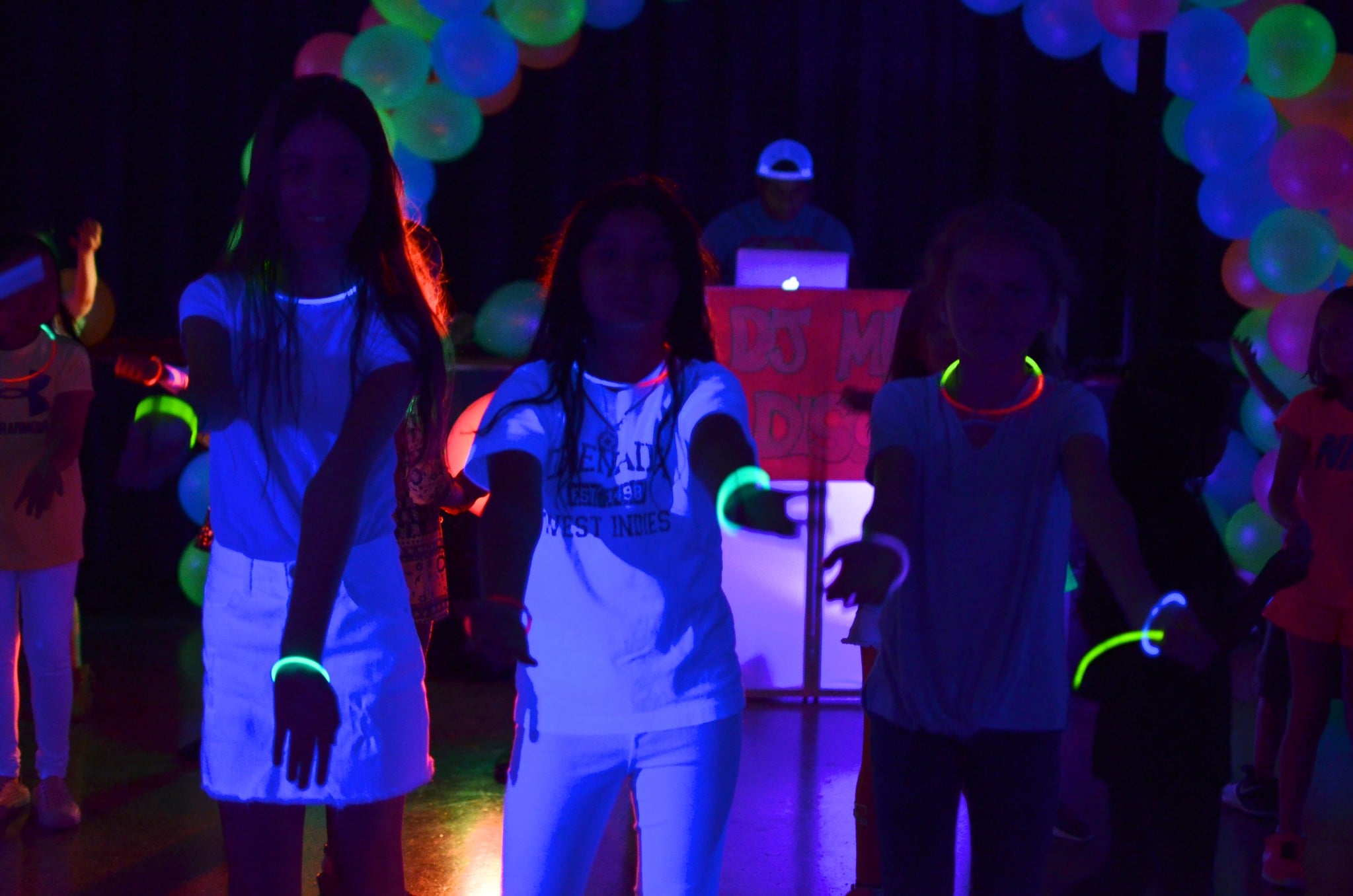
Los del Río’s ‘Macarena’ spawned a dance phenomenon so widespread that even politicians were performing it at conventions. The simple sequence of arm movements followed by a hip shake and jump created a universal language that transcended age, nationality, and dance ability.
What many casual participants didn’t realize was that they were participating in one of the earliest viral phenomena—a pre-internet example of how simple, joyful movements could unite disparate groups through shared physical experience.
Like Go2Tutors’s content? Follow us on MSN.
Electric Slide
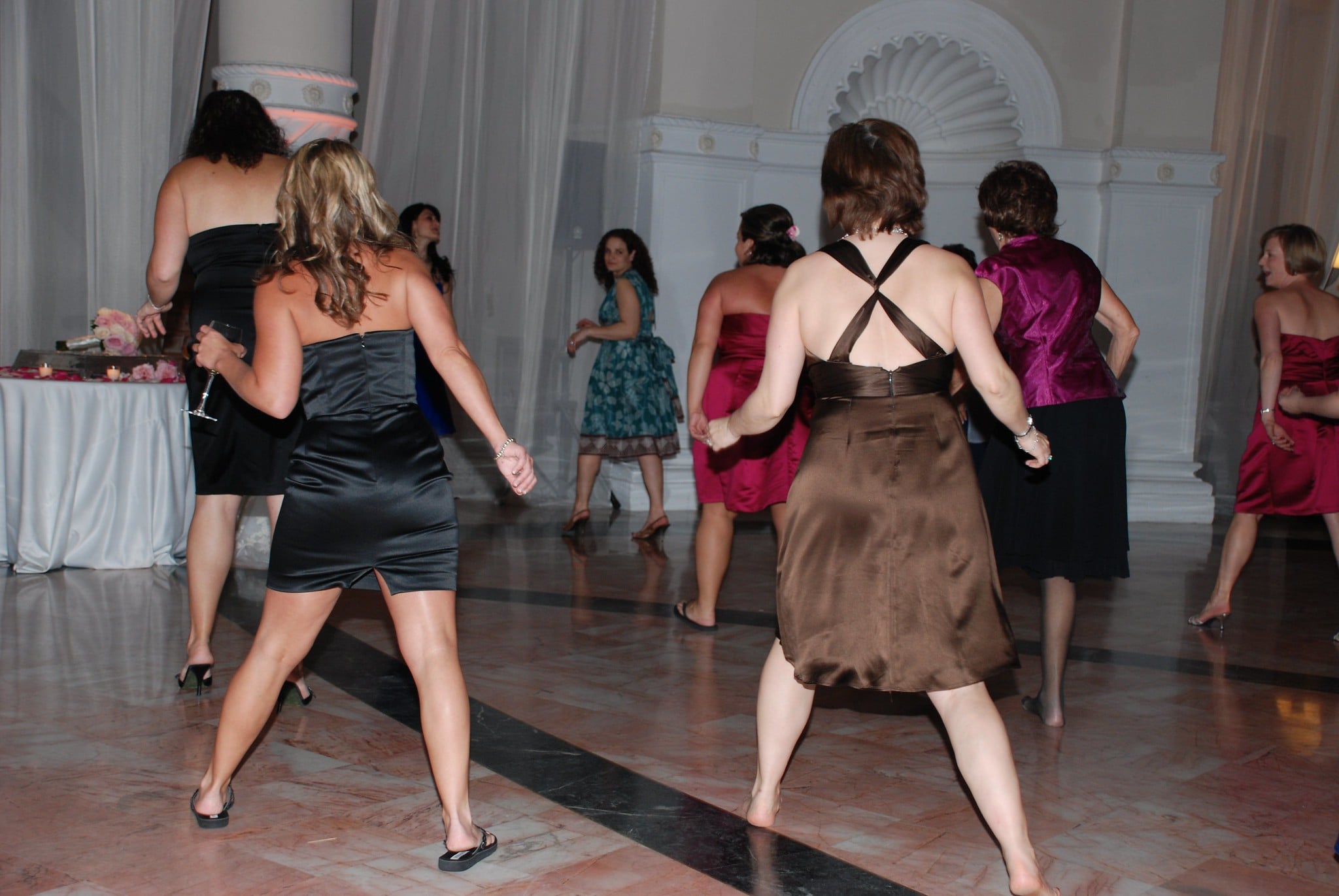
Created by choreographer Ric Silver, the Electric Slide evolved from a disco line dance to become a staple at weddings, family reunions, and community events across America. This step sequence performed to Marcia Griffiths’ ‘Electric Boogie’ created an accessible way for people of all ages and abilities to participate in synchronized movement.
The dance’s enduring popularity across generations demonstrates how shared movement rituals help maintain cultural continuity, particularly within Black American communities where the dance holds special significance.
Harlem Shake

The Harlem Shake phenomenon (unrelated to the original Harlem dance) featured a format where one person dances alone in a group of still people, followed by everyone erupting into chaotic movement when the bass drops. This video format generated over YouTube uploads within a month, becoming one of the internet’s most successful participatory memes.
The craze demonstrated how dance had evolved in the digital age from something you perform to something you create content around, fundamentally changing the relationship between dancers and audiences.
Dabbing

Originally emerging from Atlanta’s hip-hop scene, dabbing—dropping the head into the bent elbow of an upward-angled arm—crossed into mainstream awareness when athletes began using it as a victory gesture. The simplicity of the move allowed it to spread across generational and cultural lines, becoming so ubiquitous that politicians awkwardly attempted to appear relevant.
Dabbing’s journey from dance studios to sports arenas to political campaigns illustrates how movement vocabularies now flow freely between previously separate cultural domains.
Like Go2Tutors’s content? Follow us on MSN.
Movement as Cultural Currency
These dances reveal how physical expression transcends mere entertainment to become cultural currency that shapes identity, challenges norms, and creates community. In our increasingly digital world, dance has found new significance as both authentic physical expression and shareable content, allowing movements born in specific communities to reach global audiences rapidly.
As we celebrate International Dance Day, these influential dances remind us that some of humanity’s most profound cultural shifts haven’t been written or spoken—they’ve been danced into existence, one step at a time.
More from Go2Tutors!

Like Go2Tutors’s content? Follow us on MSN.
link